
Today’s hearing aids are sophisticated devices that do much more than simply amplify sound. They’re designed to enhance your hearing experience in all environments, from quiet conversations to busy restaurants.
Our expert audiologists will help you find the perfect hearing aid solution that matches your hearing needs, lifestyle, and budget.
Stream phone calls, music, and TV directly to your hearing aids
No more changing batteries – simply charge overnight
Nearly invisible options that fit comfortably in or behind your ear
We work with the world’s leading hearing aid manufacturers to provide you with the best technology and choice:


Sound therapy is an evidence-based approach to managing tinnitus and hyperacusis (oversensitivity to sound). By introducing carefully selected sounds, we can help reduce the perception of tinnitus and gradually desensitize ears to everyday sounds.
Our specialist audiologists will create a personalized sound therapy program tailored to your specific condition and needs.
Modern hearing aids equipped with built-in sound generators that can provide soothing sounds to mask tinnitus throughout the day
Specialized devices worn in or behind the ear that produce customizable therapeutic sounds
Devices that provide both hearing amplification and sound therapy - ideal for those with both hearing loss and tinnitus
Tabletop devices for nighttime relief, helping you fall asleep more easily
Guided sound therapy programs you can use with your own devices
Sound therapy works on the principle of habituation – training your brain to pay less attention to tinnitus sounds. By providing alternative sounds for your brain to focus on, the tinnitus becomes less prominent over time.
For Tinnitus: We use sounds that partially or fully mask the tinnitus, making it less noticeable. Over weeks and months, your brain learns to filter out the tinnitus even when the therapeutic sound is removed.
For Hyperacusis: We use very low-level sounds initially, gradually increasing volume over time to help your auditory system become less sensitive to everyday sounds.
The key to success is consistency. Most people notice improvement within 3-6 months, with continued progress over 12-18 months of regular use.
Comprehensive evaluation of your tinnitus or hyperacusis including severity, impact, and previous treatments tried
We identify sounds that work best for your specific condition through careful testing
Choose the right sound therapy device and have it professionally fitted and programmed
Clear instructions on how to use sound therapy effectively throughout your day and night
Ongoing monitoring and adjustments to optimize your treatment progress
Sound therapy integrated with counseling and CBT for maximum benefit
There isn’t a single honest number we can give you here, and we’d rather tell you that upfront than quote a figure that doesn’t apply to your ears. Book an assessment and we’ll give you a proper, personalised quote.
Cost depends on your hearing loss, ear anatomy and the acoustic coupling and gain your ears need. Two people with similar hearing tests can end up with very different recommendations, so we test first and quote second.
We work across all of the world’s leading manufacturers, including Phonak, Oticon, Widex, Signia, ReSound, Starkey, Unitron and Rexton, so we match the technology to you rather than steering you toward one brand.
Most patients spread the cost with 10 interest-free monthly payments. No catches, no hidden fees.
Try a hearing aid for two weeks with no payment, no deposit and no obligation. If it’s not right, simply hand it back.
Once you decide to go ahead, you’re still covered by a 30-day money-back guarantee, so there’s no risk at any stage.
Every hearing aid comes with two years of care included as standard: annual hearing tests, unlimited follow-up appointments, ear wax removal, a damage and repair guarantee, all your supplies, six-monthly checkups and a loan device during repairs.
Selected technology levels come with the same full care plan included for five years instead of two, giving you longer cover as standard.
Once your included care plan ends, lifetime aftercare continues as standard: annual hearing tests, hearing checks and general cleaning stay free for life. You can also extend your full care plan for a fee if you’d rather not think about it — like any reputable provider, we charge for repairing accidental damage or further ear microsuction once the included plan ends.
Every device is fitted using real ear measurement, checking the exact sound reaching your eardrum rather than relying on manufacturer defaults, so it’s calibrated properly from day one and needs far fewer adjustments down the line.
Every care plan we offer is built around the same core standard of support, so nothing here is an optional extra.
A full retest every year to track any changes and keep your settings accurate.
Come back as often as you need, at no extra charge and with no limit.
Regular wax removal included, so your ears and your hearing aids stay clear.
Accidental damage and faults covered as standard for the length of your plan.
Domes, filters, batteries and tubing, replenished for free whenever you need them.
A full check every six months to make sure everything is still performing as it should.
Never go without your hearing. We lend you a device if yours needs to go away for repair.
Expert support, fine-tuning and advice for as long as you wear your hearing aids.
Modern hearing aids come in a range of discreet and powerful styles. We’ll help you choose the best fit for your hearing, lifestyle and preferences.
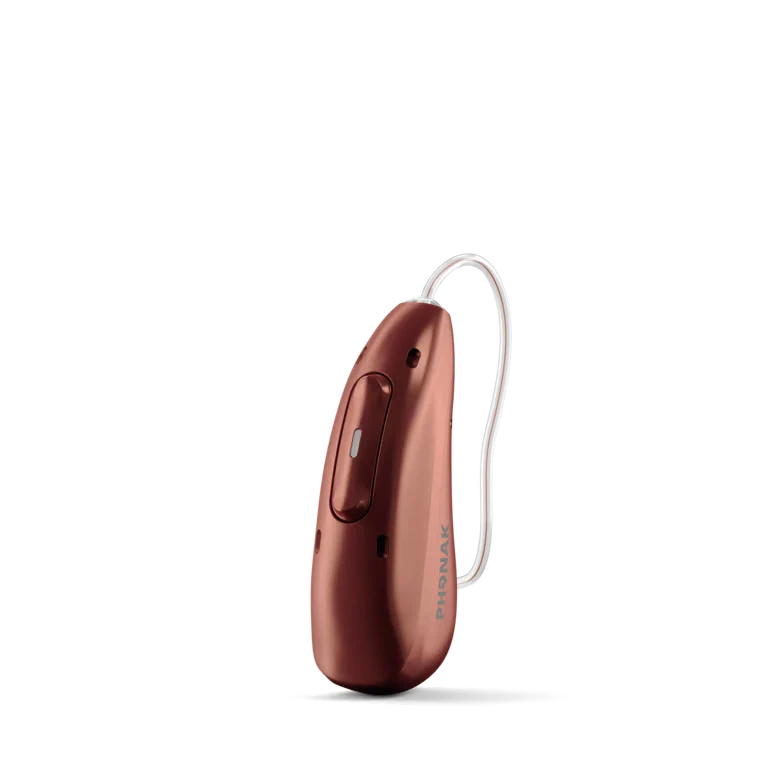
Our most popular style: discreet, rechargeable and flexible for a wide range of hearing needs.
Advantages
Natural sound • Bluetooth options • Easy to handle
Considerations
A small part sits behind the ear
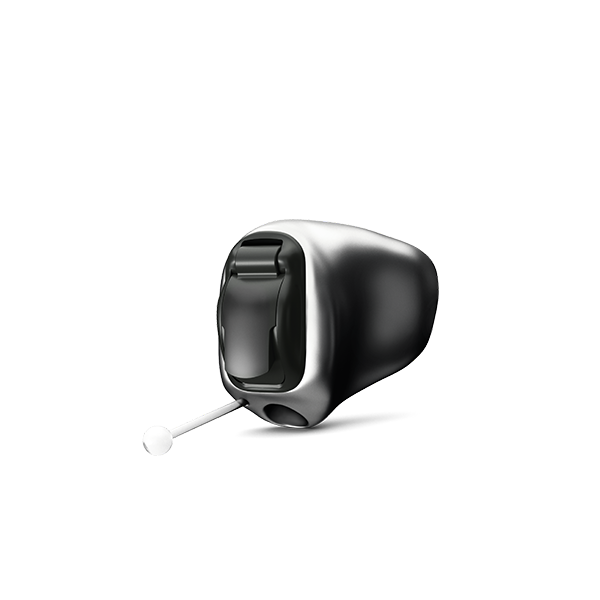
Made to sit deep in the ear canal for the most discreet appearance.
Advantages
Virtually invisible • Custom made • Natural phone use
Considerations
Not suitable for every ear or hearing loss
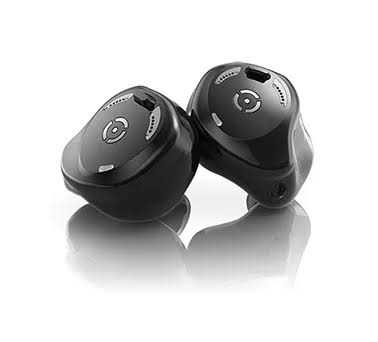
A custom-made rechargeable option that balances discretion with easier handling.
Advantages
Rechargeable • No part behind the ear • Custom fit
Considerations
Slightly more visible than an IIC
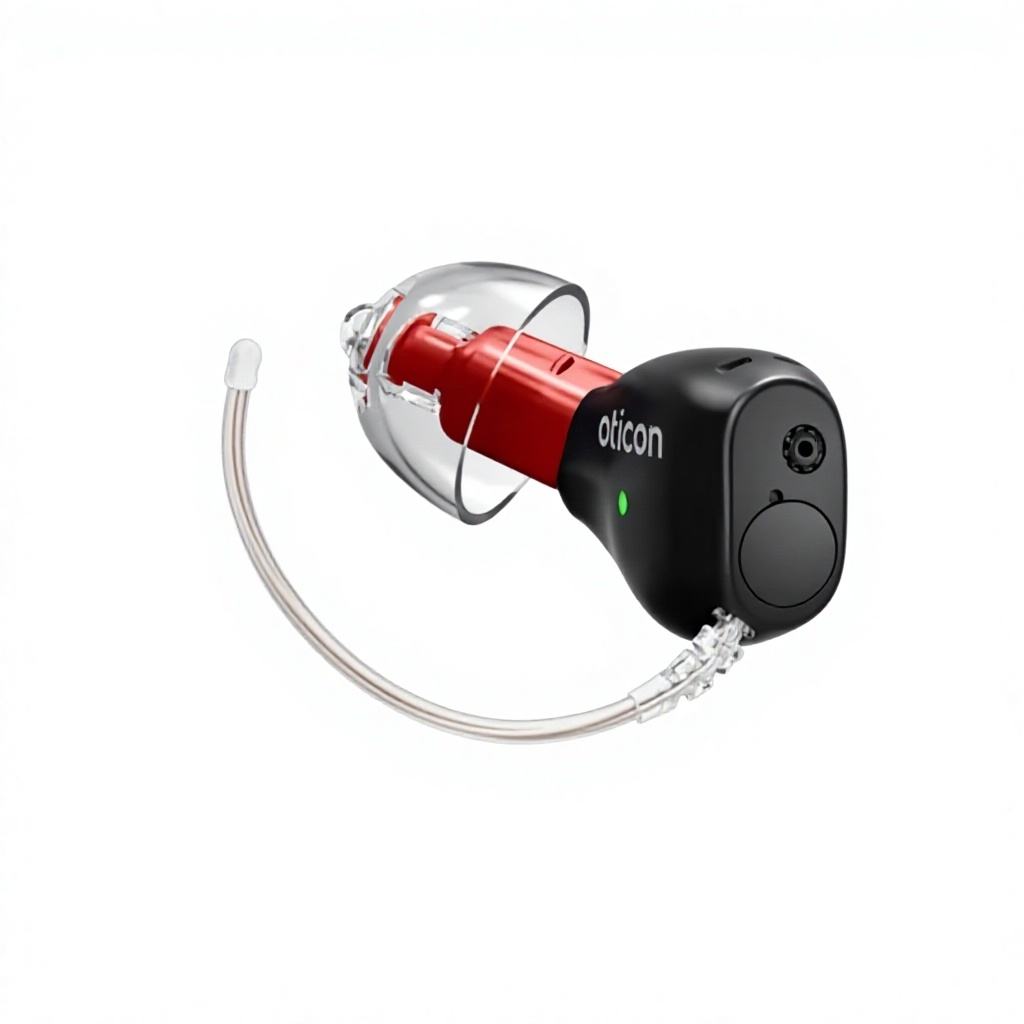
A discreet, pre-made in-ear hearing aid that can be fitted without a custom ear impression.
Advantages
Rechargeable • Same-day fitting • Bluetooth connectivity
Considerations
Fit depends on individual ear shape
Not sure which style is right for you? Your audiologist will consider your hearing levels, ear shape, dexterity, connectivity needs and personal preferences.
Enquire about specialist ear and hearing care for children and adults.