
Hyperacusis Treatment Starts With Assessment
Hyperacusis treatment begins with expert assessment, practical sound therapy and tailored support to reduce distress and rebuild everyday sound tolerance.

Hyperacusis treatment begins with expert assessment, practical sound therapy and tailored support to reduce distress and rebuild everyday sound tolerance.
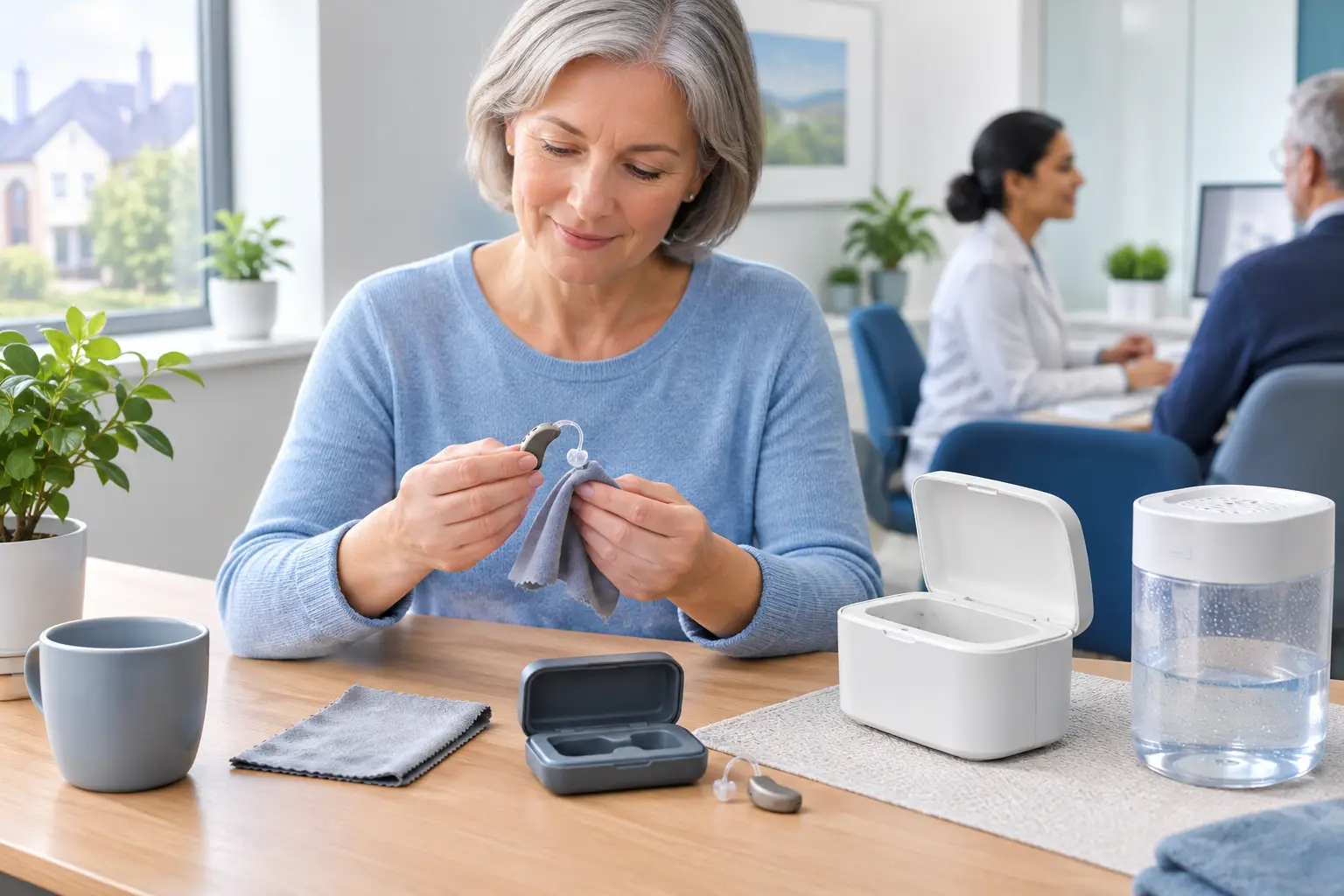
Learn how to spot, prevent and respond to hearing aid moisture damage, helping protect sound quality, comfort and device life throughout the year.

Sound therapy can reduce the impact of tinnitus. Learn how specialist assessment, tailored sound and follow-up support can help you feel more in control.
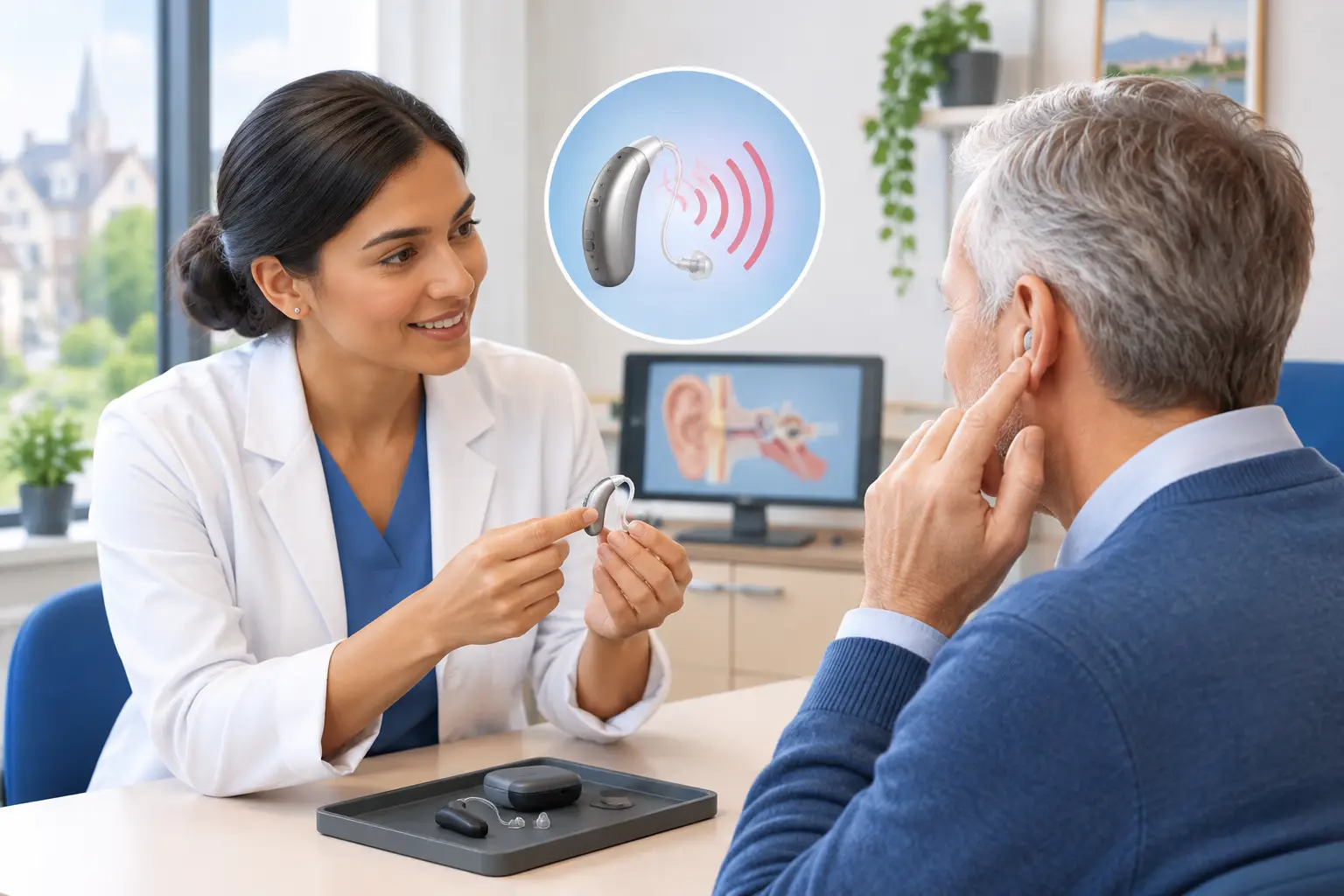
Hearing aid feedback causes whistling and discomfort. Learn the common causes, safe checks at home and when to arrange an expert hearing aid review today.

Learn how to manage tinnitus at work with practical sound, communication and wellbeing strategies, plus when to seek specialist clinical support now.

Guide to unilateral hearing loss: understand causes, warning signs, tests and treatment options, so you can protect communication and confidence every day.

Understand conductive versus sensorineural hearing loss, their causes, symptoms and treatment options, and when a specialist hearing assessment is needed.

Hearing aid acclimatisation takes time. Learn what sounds may feel different, how to build wear time, and when to ask your audiologist for support too.
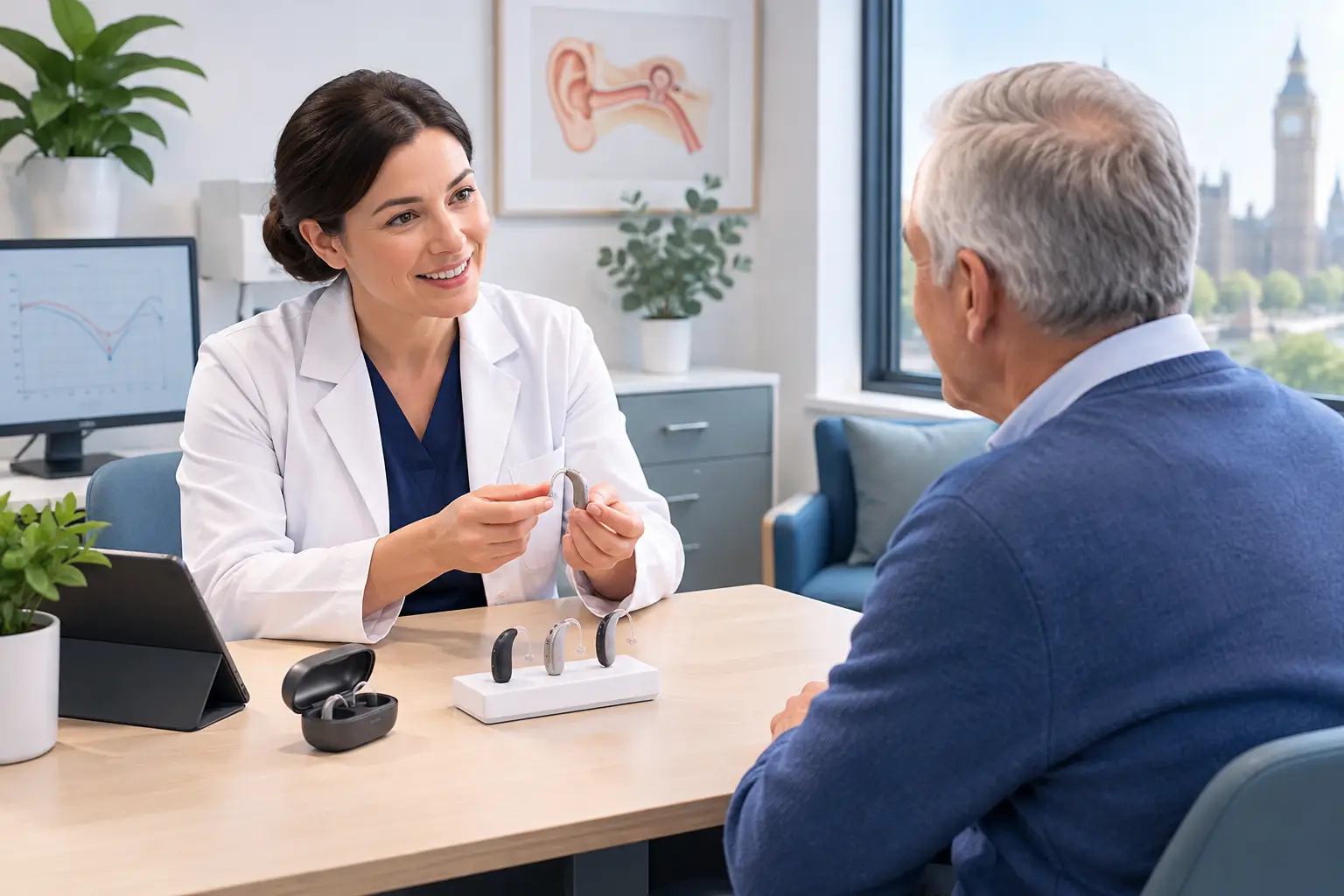
An expert Signia hearing aids review covering sound quality, features, limitations and why a clinical fitting matters for better everyday hearing clearly.

Why do ears ring? Understand tinnitus, common triggers, urgent warning signs and how a specialist hearing assessment can help you regain daily confidence.
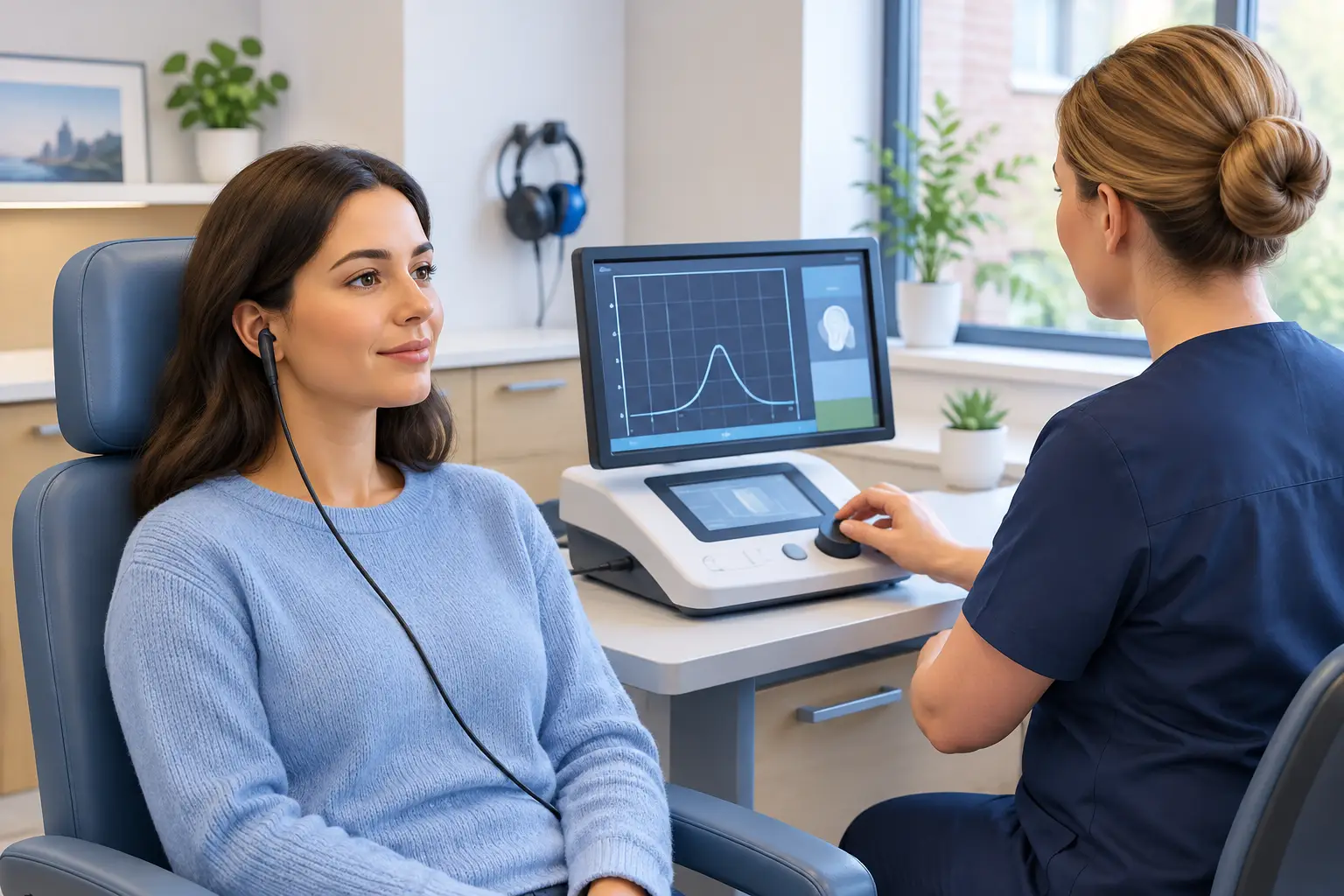
Understand what happens during tympanometry, how long the test takes and what your results may show about middle-ear pressure and movement in the ear.

Hearing care technology can improve clarity and comfort, but expert assessment ensures hearing aids, tinnitus tools and protection to suit your needs.